"Will restoration make my headlights brighter?" is a fair question, but the accurate answer is more specific than a simple yes or no. When yellowing, haze, oxidation, or light surface wear is on the outside of an otherwise sound lens, clearing that surface can help more of the existing light pass through. It does not turn the bulb or LED module into a higher-output light source.
That distinction matters. A dim-looking headlight can be caused by exterior lens wear, but it can also involve a bulb, LED driver, electrical system, beam aim, internal optics, moisture, or a damaged housing. Exterior restoration is a surface service, not a repair for every cause of reduced light.
What Exterior Restoration May Improve
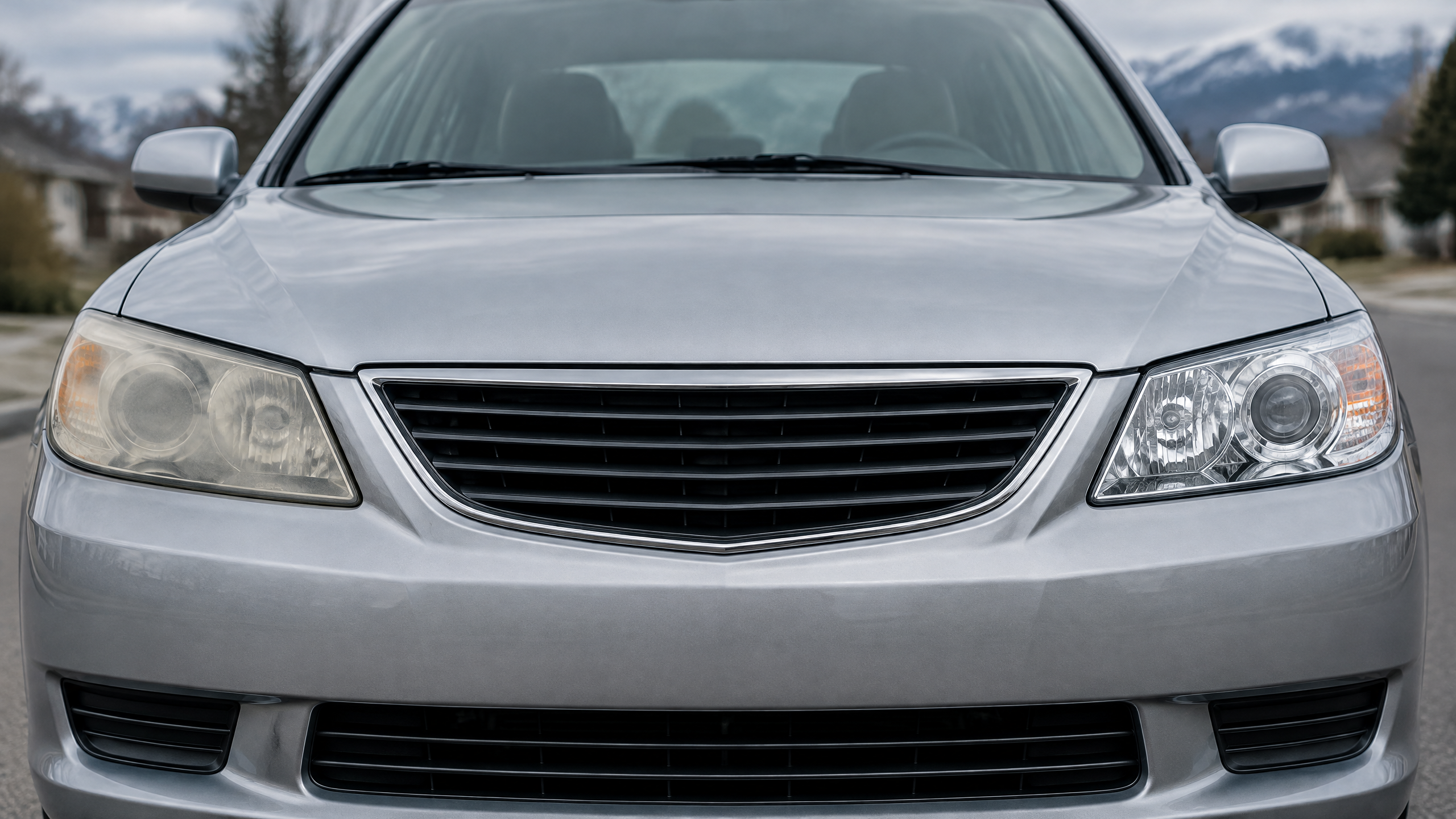
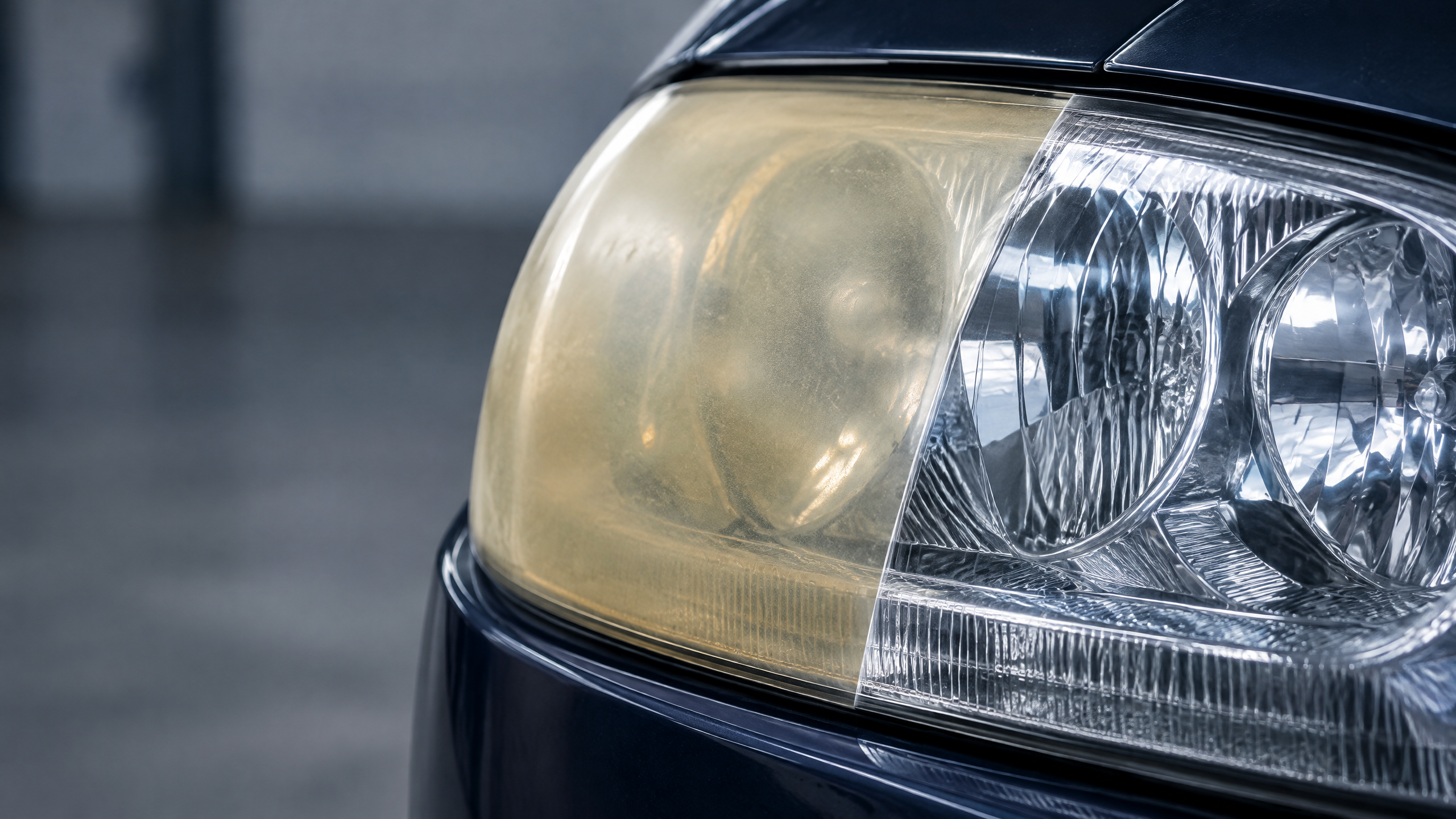
Headlight lenses are exposed to sun, road film, grit, and normal weathering. Over time, the exterior plastic can look yellow, milky, dull, or lightly scratched. That worn surface can scatter light instead of allowing it to pass through cleanly.
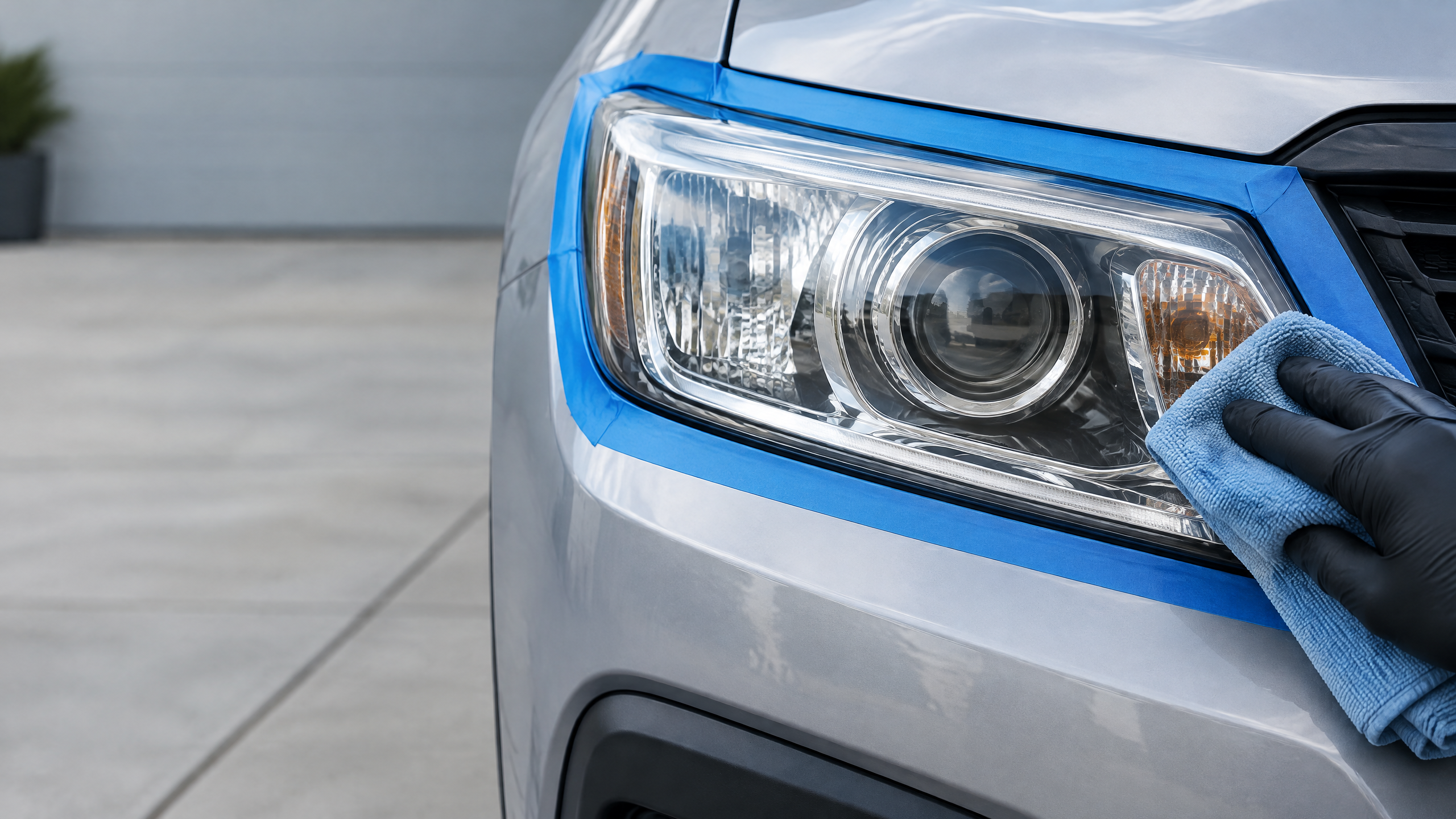
On a structurally sound lens, controlled exterior preparation and polishing can improve surface clarity. Light pitting and fine scratches may also improve when they are limited to the outer layer. The condition, depth of wear, lens material, and surrounding damage all affect what is realistic for a specific vehicle.
AAA has documented that severely deteriorated lenses can limit the light that exits a lamp and that restoration can improve tested lenses. That is helpful context, not a promise that any individual vehicle will achieve a particular percentage of brightness, visibility distance, or night-driving result.
What Restoration Cannot Fix
A restored exterior lens does not repair a weak or failed bulb, HID or LED component, driver, ballast, fuse, connector, wiring issue, ground, switch, or electronic control module. It also does not repair a damaged reflector or projector inside the lamp.
- Clear lens but dim lamp: Start with a bulb, module, electrical, or aim diagnosis.
- Uneven beam pattern: Have the aim, mounts, and adjustment system checked.
- Water or droplets behind the lens: Seek inspection for a seal, vent, housing, or water-ingress issue.
- Cracked, broken, warped, or loose assembly: Request a repair or replacement assessment.
For newer vehicles, this includes LED light sources and associated electronics. Our LED headlight lens guide explains why exterior lens work and LED-system repair are separate decisions.
Why Beam Aim Still Matters
Even a clear lens cannot compensate for an improperly aimed headlight. Aim determines where the beam reaches and how much scattered light other drivers may experience. NHTSA research has examined the effect of headlamp aim on detection distance and glare, which is why aim should be treated as a separate functional check.
If a vehicle has been in a collision, has a loose lamp, or throws light unusually high, low, or unevenly, an exterior restoration appointment is not the appropriate fix for that symptom.
Use This Quick Triage
Inspect the lens in daylight before deciding why a headlight looks weak. A yellowed, hazy, rough outer surface on an intact housing may be a restoration candidate. A clear exterior lens with poor illumination points toward a different repair path. Moisture, cracks, housing damage, warning messages, and electrical symptoms should also move the conversation beyond surface work.
For a broader comparison, see when restoration or replacement makes more sense. Headlight Boost will give Denver Metro drivers a straightforward exterior-lens assessment instead of claiming every dim headlight can be restored.
Request a Photo Assessment
Text a clear daytime photo of both headlights to (720) 720-4910. If the primary concern appears to be accessible exterior oxidation or haze on a structurally sound lens, Headlight Boost can explain the mobile restoration option. If it appears to be a bulb, electrical, aim, moisture, crack, seal, housing, or structural issue, we will tell you that exterior restoration is not the repair.
Sources: AAA on cloudy headlight lenses and NHTSA research on nighttime glare and headlamp aim.