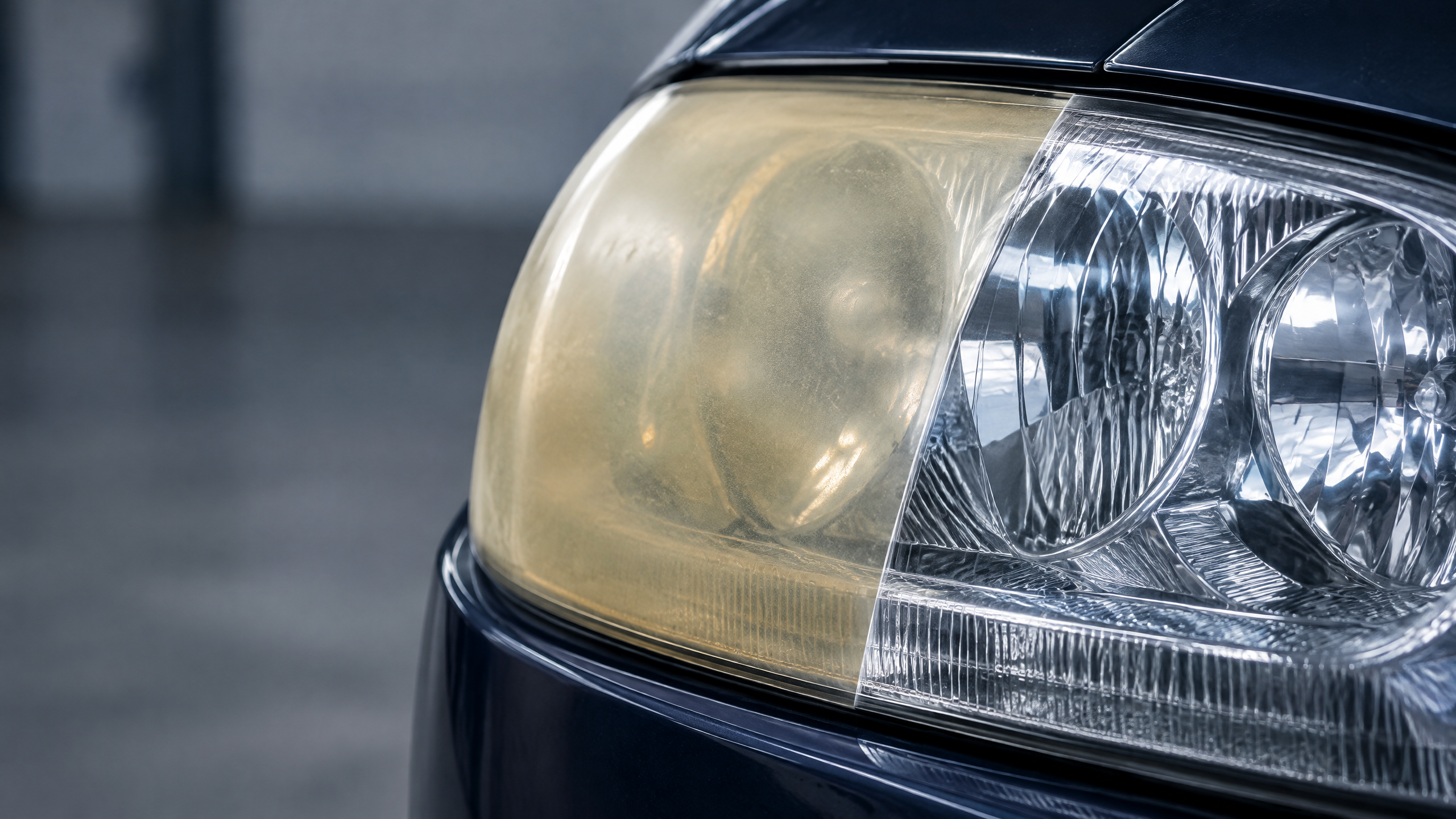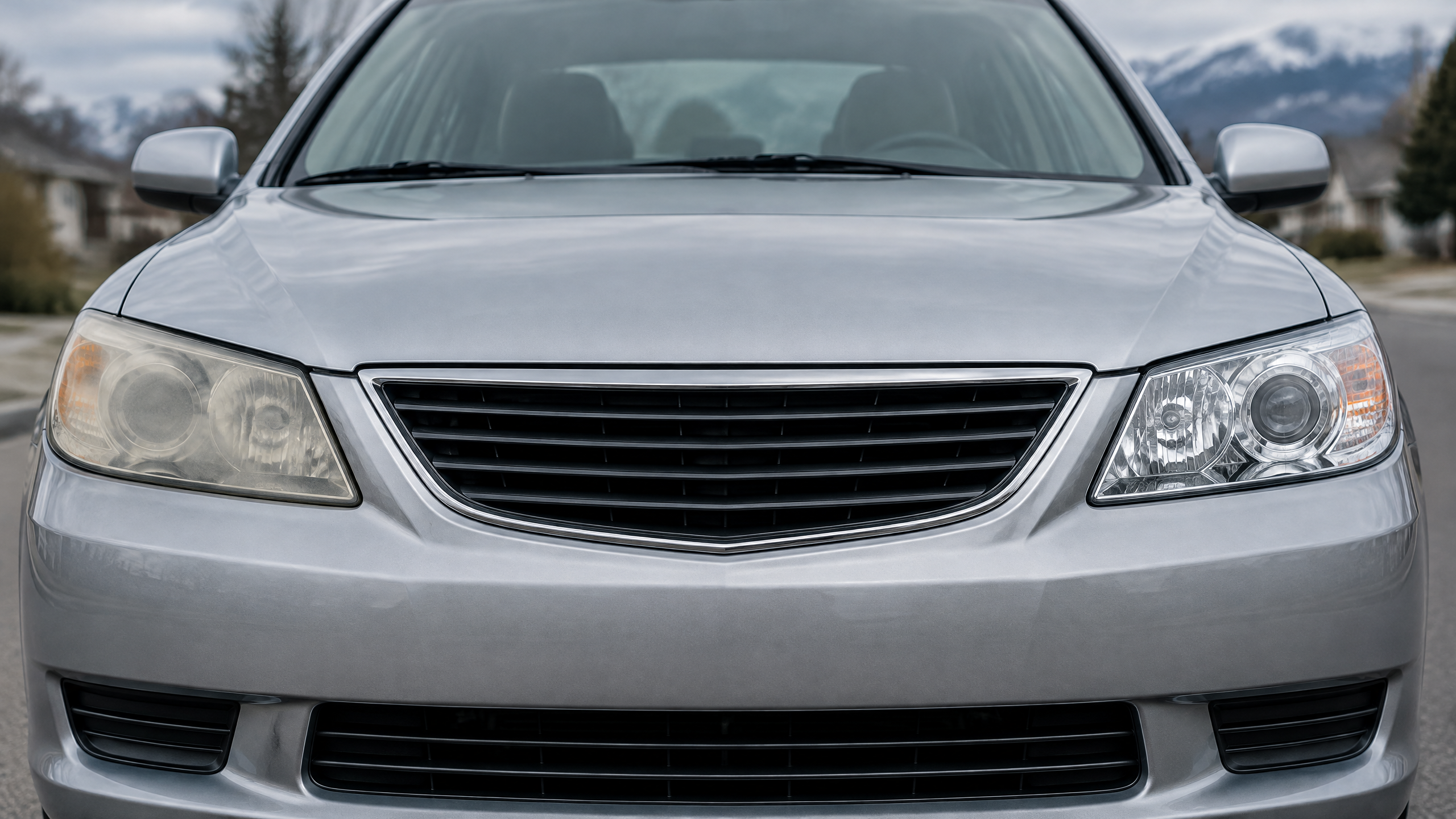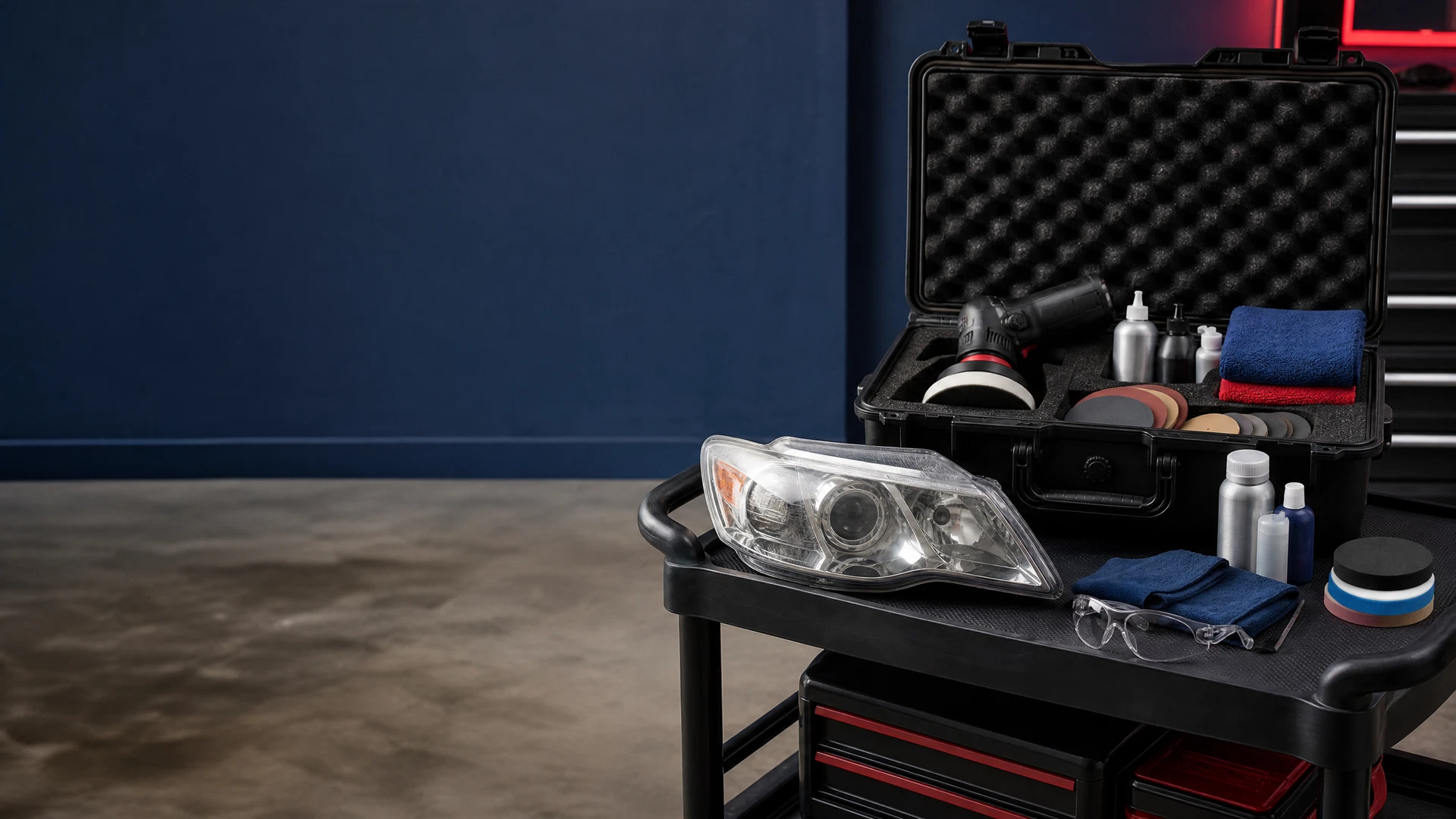
A professional restoration kit can be an efficient way to begin learning a focused automotive service, but the kit itself is not a business. The business begins when you can use the equipment safely, repeat the process consistently, describe the service accurately, and keep enough records to know whether each job makes sense.
Think of the kit as the foundation for a small operating system. The goal is not to buy every tool at once. It is to understand what you need for quality work, what you will charge, and what you must track before you scale.
Buy for the Process, Not for the Shelf
Start with equipment that supports a complete, safe restoration workflow. That includes the restoration system itself, the necessary abrasives or accessories it specifies, materials to protect paint and trim, clean towels, a reliable way to manage dust and cleanup, and appropriate personal protective equipment.
Before accepting paid work, check exactly what your chosen kit includes and what must be purchased separately. Sanding supplies, polishing pads, tape, cleaning materials, electrical access, and replacement consumables can affect your true startup budget. A neat case is helpful, but a documented process is more valuable.
Set a Price That Matches the Work
Pricing should reflect more than the kit cost. Start with a condition assessment, estimate the time required, and include material use, travel, payment fees, and overhead. Avoid quoting an every-vehicle flat rate if you have not yet seen the headlights in daylight.
A simple estimate conversation can be structured around three points: the current condition, the scope of work you expect to perform, and any limits on the result. A customer with a cracked lens or moisture inside the housing deserves an honest explanation that exterior restoration cannot solve every problem.
Track Every Job Like a Business Owner
A basic spreadsheet or job log can turn early work into useful information. Record the vehicle, condition, customer source, quoted price, final price, travel, materials, time on site, and a short note about the outcome. If you are permitted to use the photos, save a before-and-after pair with a consistent file name.
Those records help you identify which vehicle conditions fit your process, what your real hourly return looks like, and where your appointment flow can improve. They also make it easier to prepare taxes, replace supplies, and evaluate whether advertising or a website is worth the cost.
Build Trust Before You Try to Scale
A restoration business grows through clear communication and dependable work. Give realistic assessments, arrive prepared, protect the vehicle, explain aftercare, and never use borrowed photos or fabricated reviews. Real work samples are more persuasive than dramatic promises.
When you have a small collection of approved examples and a reliable process, make it easy for people to understand how to contact you. A basic business profile, a direct phone or text line, and a focused website can be enough to create a professional first impression.
Plan for Revenue and Costs Separately
An under-$400 professional-kit purchase can be a useful entry point for a focused service, and some operators may model up to $8,000 in gross revenue from work supported by one kit. That model is only a starting point. It does not establish how much profit remains after materials, travel, marketing, taxes, insurance, and the time required to find and serve customers.
Keep those categories separate in your tracking. Revenue tells you the amount billed. Profitability tells you whether the work supports the time and risk you are taking on. A business becomes more durable when you make decisions from your own completed jobs rather than from a headline number.
Use the Next Step to Improve the System
After your first several jobs, identify the next constraint. It may be scheduling, travel radius, access to equipment, stronger photo documentation, a more consistent quote process, or a website that better explains your service. Fix one constraint at a time instead of adding complexity everywhere.
Illustrative income notice: income results are not guaranteed. The under-$400 kit cost and up-to-$8,000 gross-revenue example are not a promise of income, profit, customers, or business success. Actual results vary widely based on market demand, pricing, skill, local requirements, quality, expenses, time, taxes, insurance, and individual execution. This article is educational and is not financial advice or a business opportunity offer.
If you run an auto-service business and want a clearer online presentation, Headlight Boost builds focused websites for auto service businesses. If you are a Denver Metro vehicle owner looking for restoration service rather than business education, text a clear photo to (720) 720-4910 for an honest assessment.