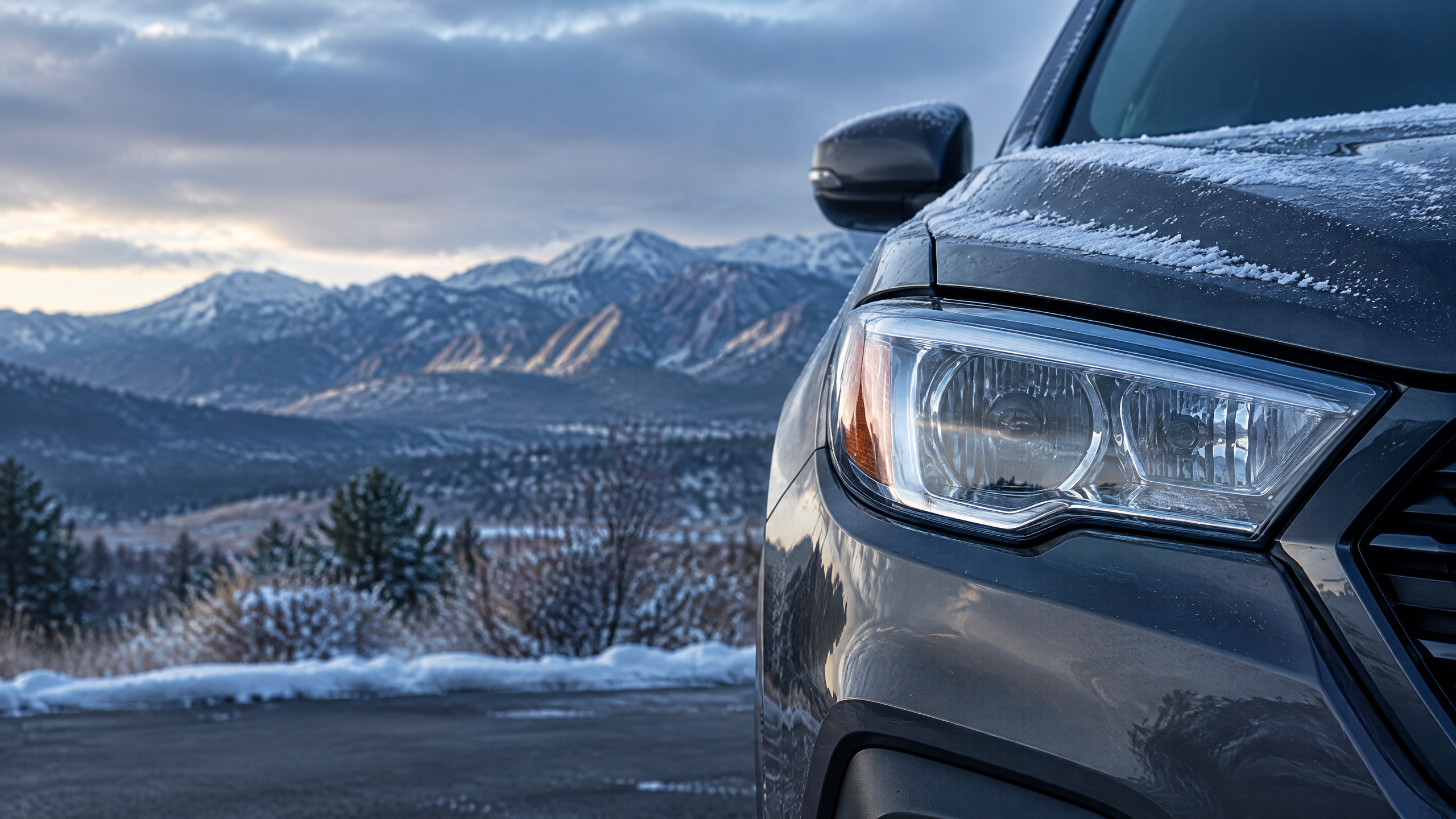
Denver winters bring earlier darkness, snow glare, road spray, and plenty of grit on the front of a vehicle. A pre-winter headlight check is a simple way to spot exterior lens haze before it becomes another variable on an already demanding drive. It is also a good time to separate a surface-clarity concern from a bulb, aim, moisture, or housing issue that needs a different kind of attention.
Exterior headlight restoration can be a practical option when an otherwise sound lens is yellowed, cloudy, or worn on the outside. It is not a substitute for diagnosing the entire lighting system. Use this checklist to decide which next step fits your vehicle.
Start With a Daylight Exterior Check
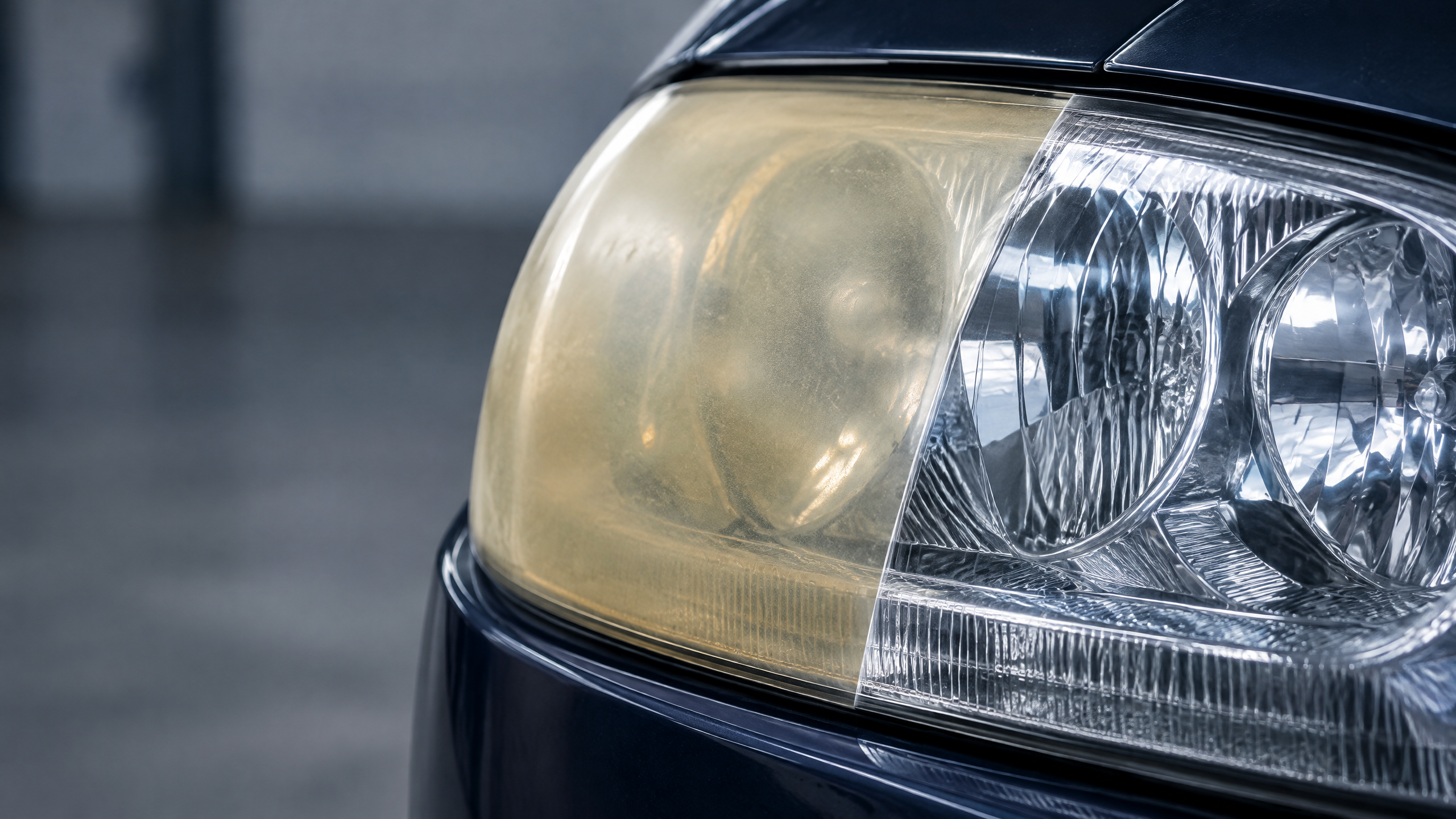
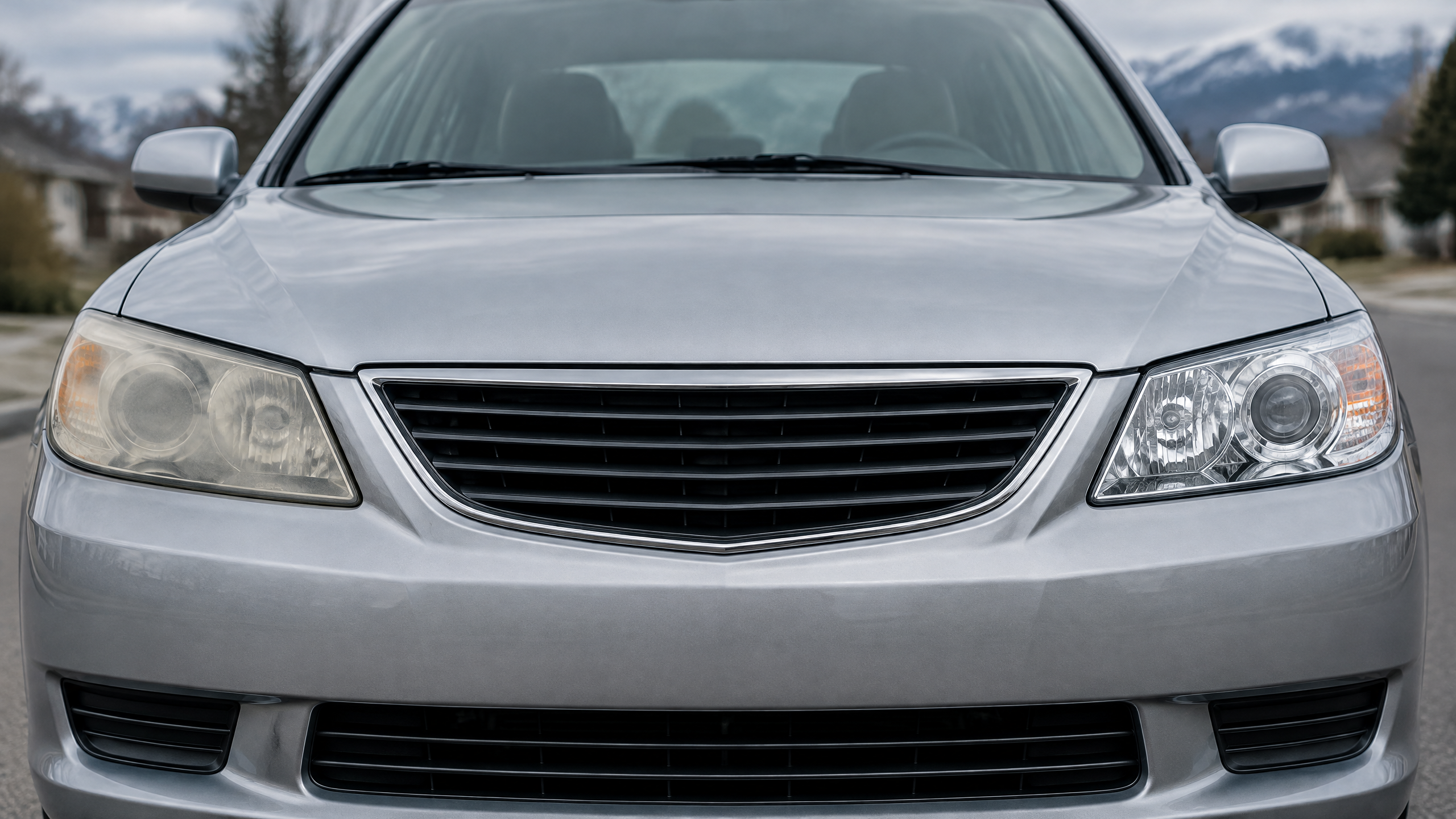
Park safely in daylight, turn the lights off, and rinse away loose road film before inspecting the lenses. Look at both headlights straight on and from an angle. Persistent yellowing, a dull white haze, light surface pitting, or a rough exterior texture can point to wear on the outer lens surface.
- Does either lens still look hazy after a gentle wash?
- Can you see peeling coating, roughness, shallow pits, or fine surface scratches?
- Is one lens noticeably more yellowed or cloudy than the other?
- Are there cracks, missing pieces, or damage around the housing?
- Do you see mist, droplets, or water behind the lens?
If the concern appears to be on the reachable exterior surface and the lens is structurally intact, a photo assessment can help determine whether mobile restoration is a reasonable fit. Our guide to signs a headlight may need restoration covers the exterior clues in more detail.
Do Not Mistake a Lens Problem for a Light-Source Problem
A clear-looking lens can still have a lighting problem, and a hazy lens can exist alongside one. A bulb that fails, flickers, changes color, or illuminates unevenly needs the appropriate bulb or electrical diagnosis. The same is true for LED modules, drivers, wiring, fuses, connectors, and control systems.
Exterior restoration does not repair the bulb or LED light source, improve a weak electrical circuit, or correct an electronic fault. If your lens looks clear but the output seems dim or inconsistent, start with a qualified lighting-system inspection instead of assuming the exterior surface is the cause.
Beam Aim Is a Separate Check
Headlight aim affects where light lands on the road and how much glare other drivers may see. A lens can be clean while the beam is aimed too high, too low, or unevenly. Restoration does not measure or adjust aim, and it does not repair damaged adjusters or mounting points.
If the beam pattern looks uneven against a flat wall, the vehicle has warning messages, or the lamp appears loose after an impact, follow your owner’s manual and have the relevant repair professional inspect the aiming and mounting system.
Look Carefully for Moisture, Cracks, and Housing Damage
Fine temporary condensation inside some lamp assemblies can occur when temperatures and humidity change. Persistent droplets, water collecting at the bottom of a lamp, staining behind the lens, a cracked lens, or a damaged seal point to a different problem. Those conditions may involve venting, seals, covers, drains, housing damage, or water ingress.
Sanding and polishing an exterior lens cannot dry the inside of a lamp, reseal an assembly, repair a crack, or correct structural damage. A NHTSA-hosted manufacturer bulletin explains why normal temporary condensation and excessive water inside a lamp should not be treated as the same condition.
A Simple Denver Pre-Winter Decision Guide
- Clean the exterior lenses gently and inspect them in daylight.
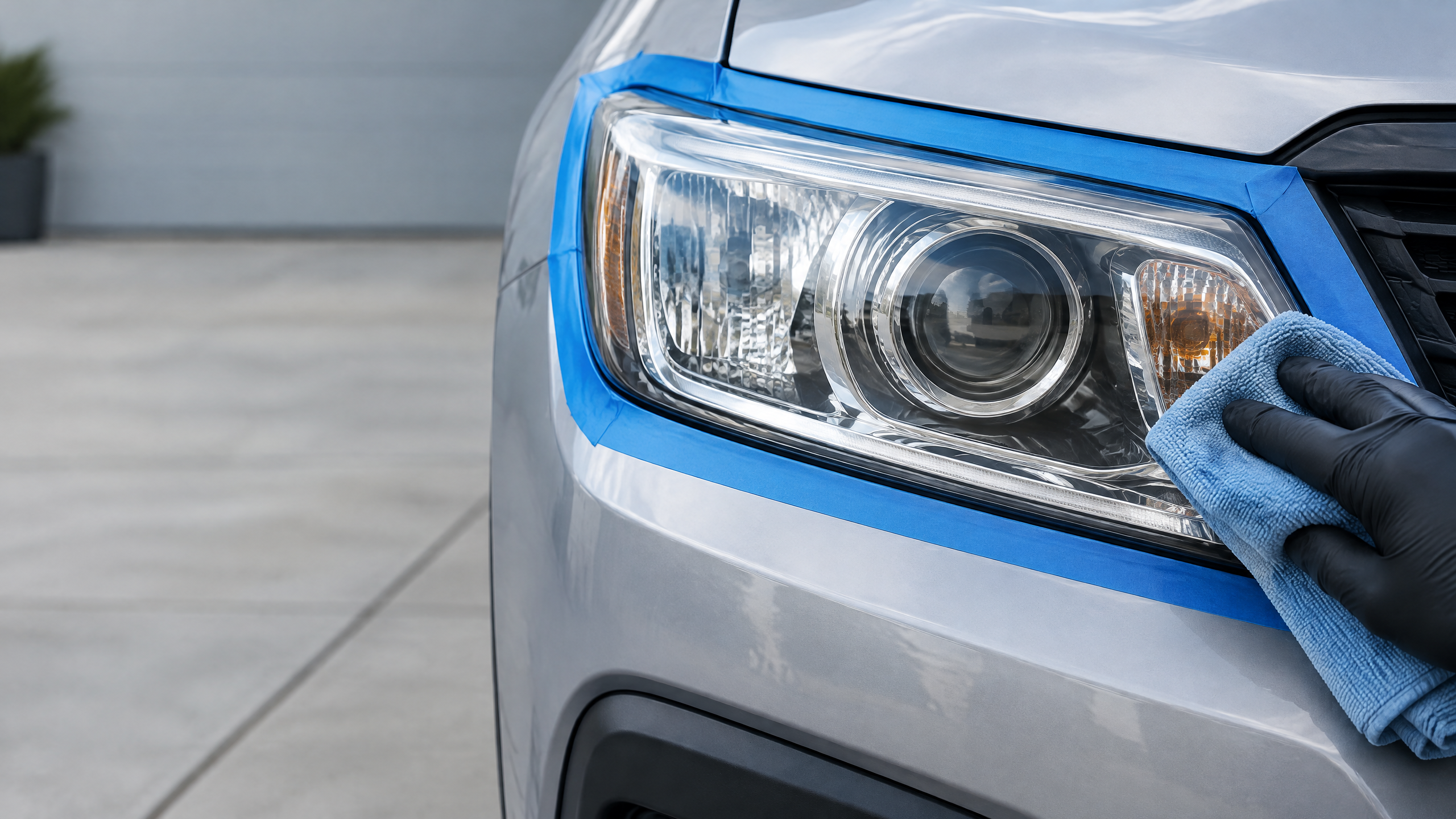
- If an intact lens remains yellowed, cloudy, or rough on the outside, request an exterior restoration assessment.
- If you see cracks, water inside the housing, a failed lamp, electrical symptoms, or an aim concern, arrange the appropriate repair or inspection first.
- Before winter driving, keep headlights free of snow, ice, and heavy road film, and confirm both lamps illuminate.
Colorado’s winter-driving guidance emphasizes clearing snow and ice and keeping visibility equipment in working order. Clear exterior lenses are one sensible part of that preparation, not a promise of a particular brightness, safety result, or winter-driving outcome.
Get an Honest Exterior-Lens Assessment
Headlight Boost restores eligible exterior lens-surface oxidation, haze, and wear for Denver Metro drivers. We do not repair bulbs, LED modules, wiring, aim, internal moisture, seals, cracks, housings, or other structural defects. Text clear daylight photos to (720) 720-4910 and we will help you decide whether exterior restoration appears to be the right next step.
Technical note: For a manufacturer example of temporary condensation versus water accumulation, see this NHTSA-hosted lamp-moisture service bulletin. Follow model-specific vehicle guidance for any lighting repair.