Headlight restoration can be a practical reconditioning step for Denver used-car dealerships when yellowing or haze affects the exterior lens surface. The right approach is to assess each vehicle, separate lens work from mechanical repairs, and document what was actually completed. It is not a guarantee of higher resale value or faster sales.
For independent dealers and inventory managers, a consistent intake routine makes the decision clearer: which headlights are candidates for assessment, which need repair diagnosis, and which should remain outside the restoration request.
Start with exterior-lens triage
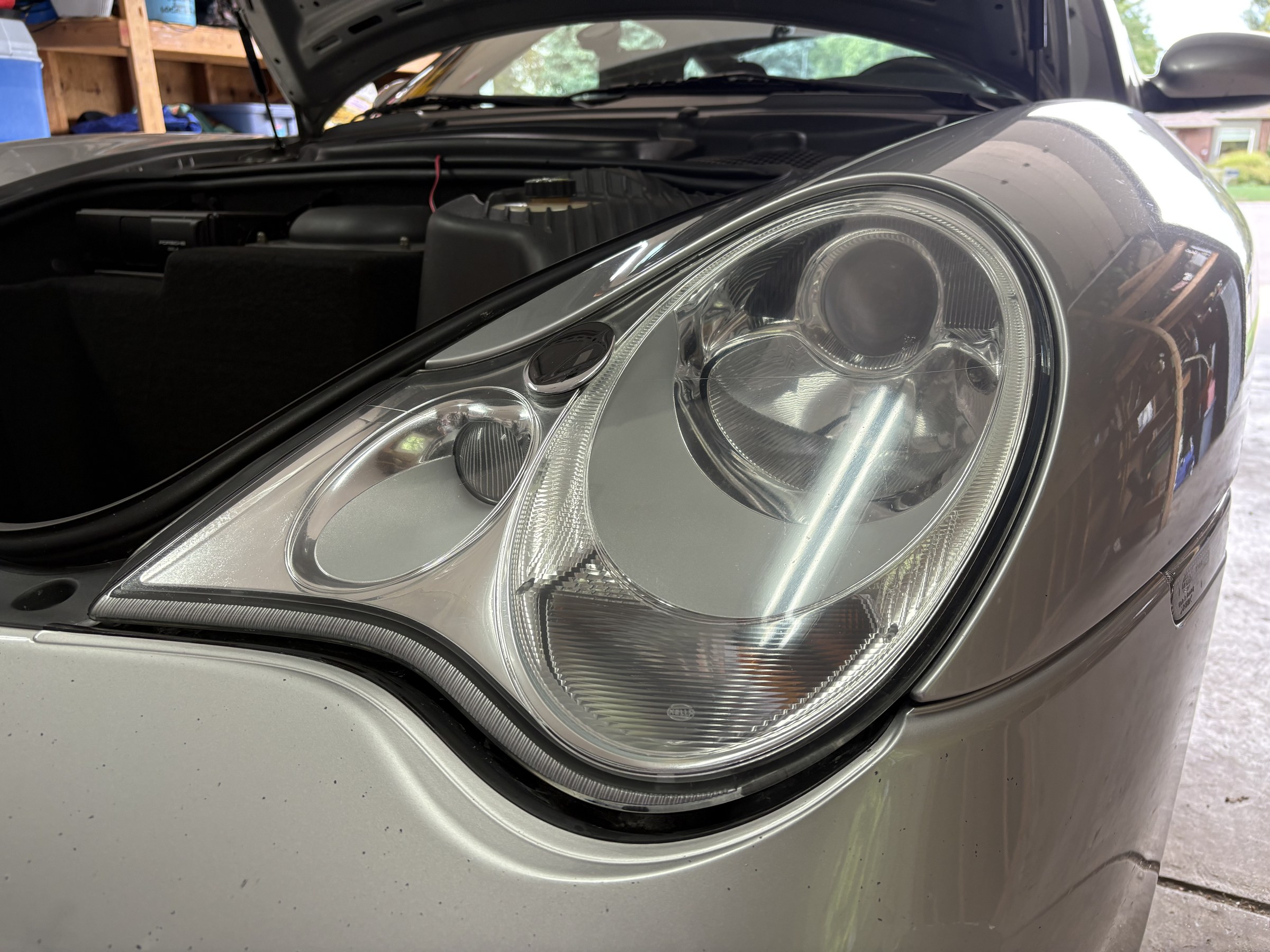
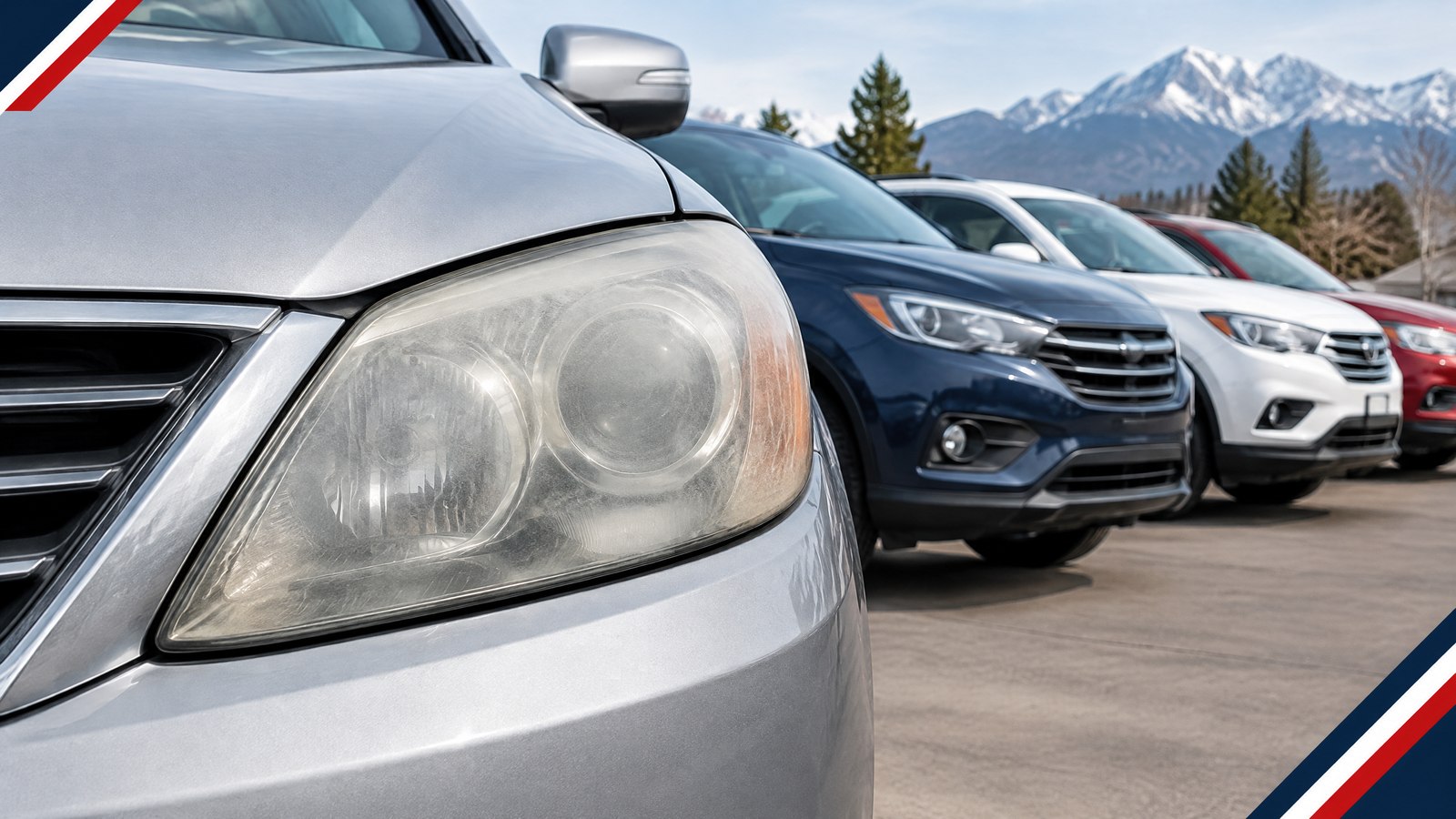
Wash away road film before evaluating cloudiness. Look at each lens in daylight from the front and an angle. Note exterior yellowing, surface haze, peeling finish, visible cracks, and moisture behind the lens. A photograph can help with screening, but it does not establish eligibility by itself.
AAA explains that sunlight can degrade plastic headlight coatings, causing yellowing or clouding. It also notes that severely deteriorated lenses may require replacement. Avoid treating every cloudy assembly as a restoration candidate.
Exterior restoration does not repair bulbs, LED modules, wiring, aim, seals, housing damage, cracks, water ingress, or internal defects. Use the inside-versus-outside fogging guide to help separate surface concerns from issues needing further diagnosis.
Use a repeatable inventory checklist
Give the person managing reconditioning the same information for every vehicle. A short record is more useful than a request to “do all the headlights.”
- Record the stock number, year, make, and model.
- Photograph both headlights together and each lens close up.
- Identify whether the concern appears outside, inside, or uncertain.
- Flag cracks, moisture, nonworking lights, and previous restoration if known.
- Provide the lot address, contact person, vehicle access, and desired photography date.
- Keep assessment decisions and approved work attached to each stock record.
Send uncertain lenses for assessment rather than classifying them as repairable from appearance alone. Keep lighting-function concerns on a separate repair list.
Coordinate batch requests without assuming a dealer program
Group candidate vehicles into one organized request, with labeled photos and a clear contact. Ask which vehicles appear suitable, what additional inspection is needed, and what scheduling is available. A batch request is a way to coordinate inventory, not a promise that every vehicle can be serviced together.
Confirm access to keys, where approved vehicles will be parked, and who can authorize changes if inspection reveals a different condition. Do not assume a volume discount, dedicated dealer program, or guaranteed turnaround. Have the quote and appointment details confirmed before building the work into your delivery schedule.
Budget for the approved scope
Headlight Boost's mobile headlight restoration starts at $99 for both headlights. That is a starting price, not a universal total. The confirmed quote depends on lens condition and location; review pricing before approving work.
Keep any required mechanical repairs or assembly replacement separate from the restoration budget. A lower-cost exterior service is not a substitute for correcting a failed light or damaged housing.
For context, 3M's lens-restoration instructions describe cleaning, masking, sanding, scratch refinement, compounding, and polishing. This illustrates why surface restoration is more than washing a lens; it is not a specification of Headlight Boost's products or exact method.
Photograph inventory after completed work
Plan final listing photos after approved work is complete and any provider-specified care restrictions are satisfied. Capture the front view and close-ups of both lenses. For internal before-and-after records, use similar lighting, distance, and angles.
Avoid filters or edits that conceal remaining haze, cracks, or other defects. Keep original files with the stock record. Listing photographs should show the vehicle's current condition, not a result created by selective lighting or retouching.
Describe the service accurately in listings
If supported by the completed work record, a description such as “Exterior headlight lenses restored” is more precise than “new headlights.” Do not describe restoration as assembly replacement, a complete lighting-system repair, or proof of factory-equivalent performance.
The FTC's Dealer's Guide to the Used Car Rule explains that covered dealers must display a Buyers Guide before offering a vehicle for sale or allowing a purchase inspection, even before delivery preparation is finished. It also emphasizes written promises. A restoration invoice does not replace required sales disclosures.
Quick questions for inventory managers
Does a clearer lens prove the lighting system is sound?
No. Appearance alone does not confirm bulb operation, electrical condition, aim, or the absence of internal defects. Keep those checks separate.
Should every vehicle receive restoration?
No. Assess condition first. Already-clear lenses, internal fogging, and damaged assemblies call for different decisions.
Request a Denver inventory assessment
Send Brian labeled lens photos, your lot address, and the number of vehicles for review. Check service areas, text (720) 720-4910, or request a quote to discuss eligibility, location, pricing, and scheduling. For your reconditioning team, the headlight restoration and business guides offer additional training resources.