Yes, you can take steps to protect new headlights before they turn yellow. Start by preserving the factory coating, following your vehicle's cleaning instructions, and checking compatibility before adding any protection product. A clear new lens does not need an oxidation-removal treatment simply because you want to prevent future yellowing.
For Denver drivers, the practical goal is careful maintenance and a suitable product, if permitted by the manufacturer. No coating should be treated as a promise that headlights will stay clear forever.
New OEM headlights already have a protective coating
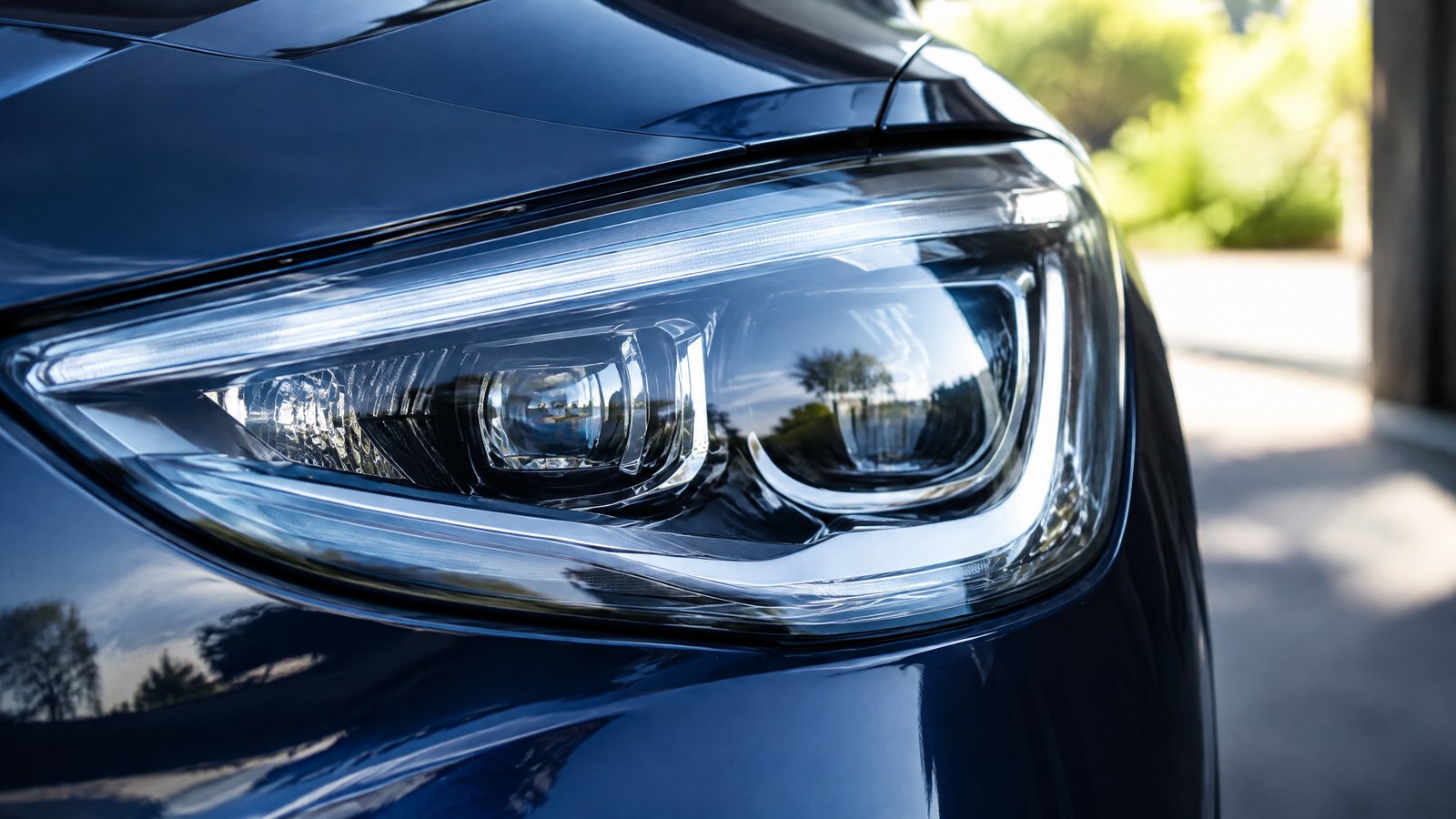
New original equipment manufacturer (OEM) plastic headlight lenses normally arrive with a factory protective coating. That surface is worth preserving rather than treating a new lens like an old, yellowed one.
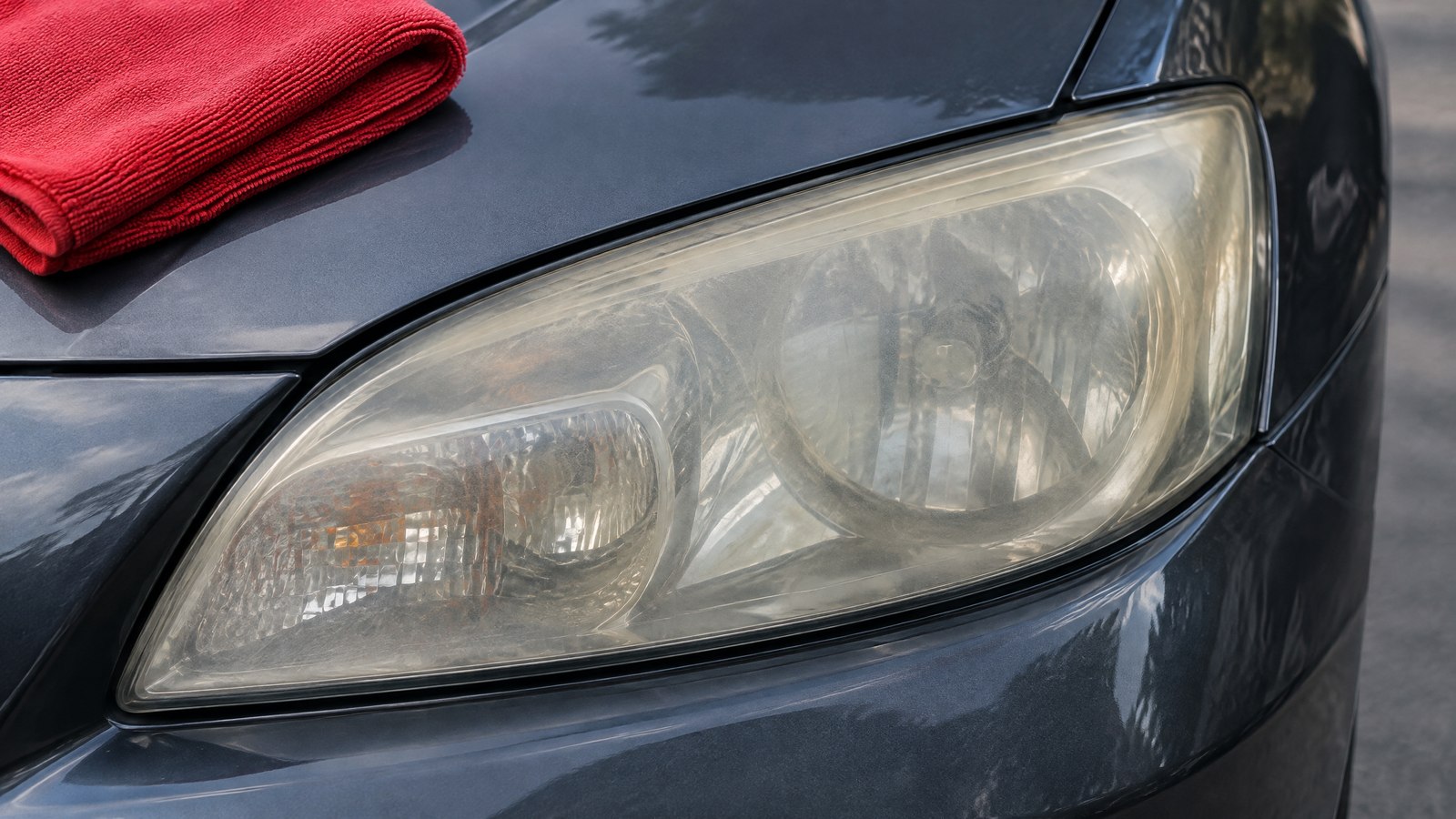
AAA's headlight deterioration research explains that sunlight breaks down protective plastic coatings, causing discoloration that reduces light output. Its restoration methodology describes removing the original protective film, then polishing and applying a protectant. Those are corrective steps for deterioration, not a routine cleaning plan for clear new headlights.
Check your manufacturer's instructions first
Read the exterior-care section of your vehicle's owner's manual before choosing a cleaner or coating. For a replacement assembly, also check the headlight manufacturer's instructions. If the guidance is unclear, ask the manufacturer whether the proposed product and preparation method are compatible with the lens coating.
For example, this Ford Ranger owner's manual says not to scrape headlamp lenses, clean them with abrasives or alcoholic or chemical solvents, or wipe them dry. This is a model-specific example, not a substitute for your own manual.
Choose compatibility, not just a UV claim
A label saying “ceramic” or “UV protection” does not answer every application question. Before using a coating or protective film, look for explicit guidance covering new, factory-coated plastic headlight lenses. Do not assume a product intended for painted bodywork is suitable for headlights.
Check the required cleaning method, application conditions, curing instructions, and ongoing care. If the directions require sanding or abrasive polishing of an otherwise clear new lens, stop and confirm that you have selected the right product. Prevention should not become an unnecessary restoration job.
New-lens protection and restoration coatings are different
Products designed for restored lenses and products intended for new factory-coated lenses can have different preparation requirements. Do not treat them as interchangeable just because both mention protection. Identify the surface the manufacturer actually approves and ask about compatibility before application.
This article explains prevention, not an offered Headlight Boost new-headlight-protection service. Headlight Boost evaluates eligible existing exterior-lens deterioration. Clear new headlights should not be sanded or polished merely to sell an unnecessary restoration.
A practical new-headlight care checklist
- Confirm the lens type and condition. Know whether you have a new OEM assembly, an aftermarket replacement, or an older restored lens.
- Keep the care instructions handy. Use the vehicle or assembly manufacturer's recommended cleaning approach.
- Avoid improvised restoration. Do not use abrasive household remedies on clear new lenses as preventive maintenance.
- Verify any added protection. Check factory-coating compatibility and follow preparation and curing directions.
- Inspect after cleaning. Look for persistent yellowing, haze, peeling, cracks, or moisture inside the assembly.
Already yellowed or cloudy? Assess before coating
New-headlight protection is not a substitute for correcting existing deterioration. If cleaning leaves a yellow or cloudy surface, an assessment can help determine whether exterior headlight restoration is appropriate.
Cloudiness inside the assembly needs a different assessment. Our guide to foggy headlights inside versus outside explains the distinction. Exterior restoration does not repair bulbs, LED modules, wiring, aim, seals, housings, cracks, water ingress, or internal defects.
Quick questions about prevention
Should I restore headlights that are brand new?
Not simply to prevent yellowing. Start with the manufacturer's care guidance and preserve the intact factory coating. If a new lens has a defect, contact the seller or manufacturer before modifying it.
Can I follow the same care plan after restoration?
Follow the instructions for the coating actually applied. New factory-coated lenses and restored lenses are different starting surfaces. See our care guide for restored headlights for that situation.
Get a Denver headlight condition assessment
Not sure whether your lenses need care advice or restoration? Text Brian at (720) 720-4910 with clear photos and your location, or request a quote. Headlight Boost's mobile headlight restoration starts at $99 for both headlights; your quote is confirmed based on lens condition and location. Check our service areas for Denver Metro coverage.