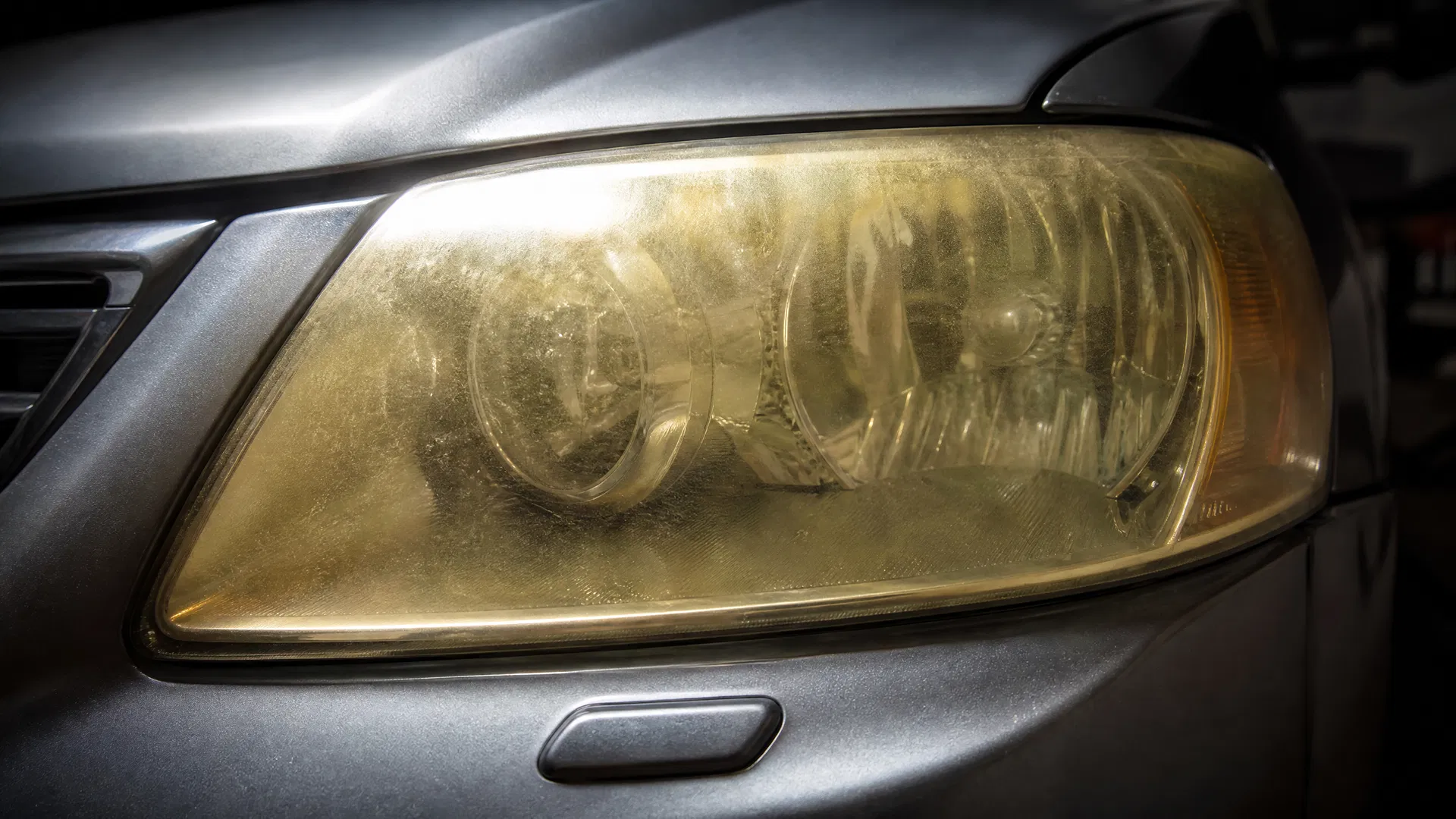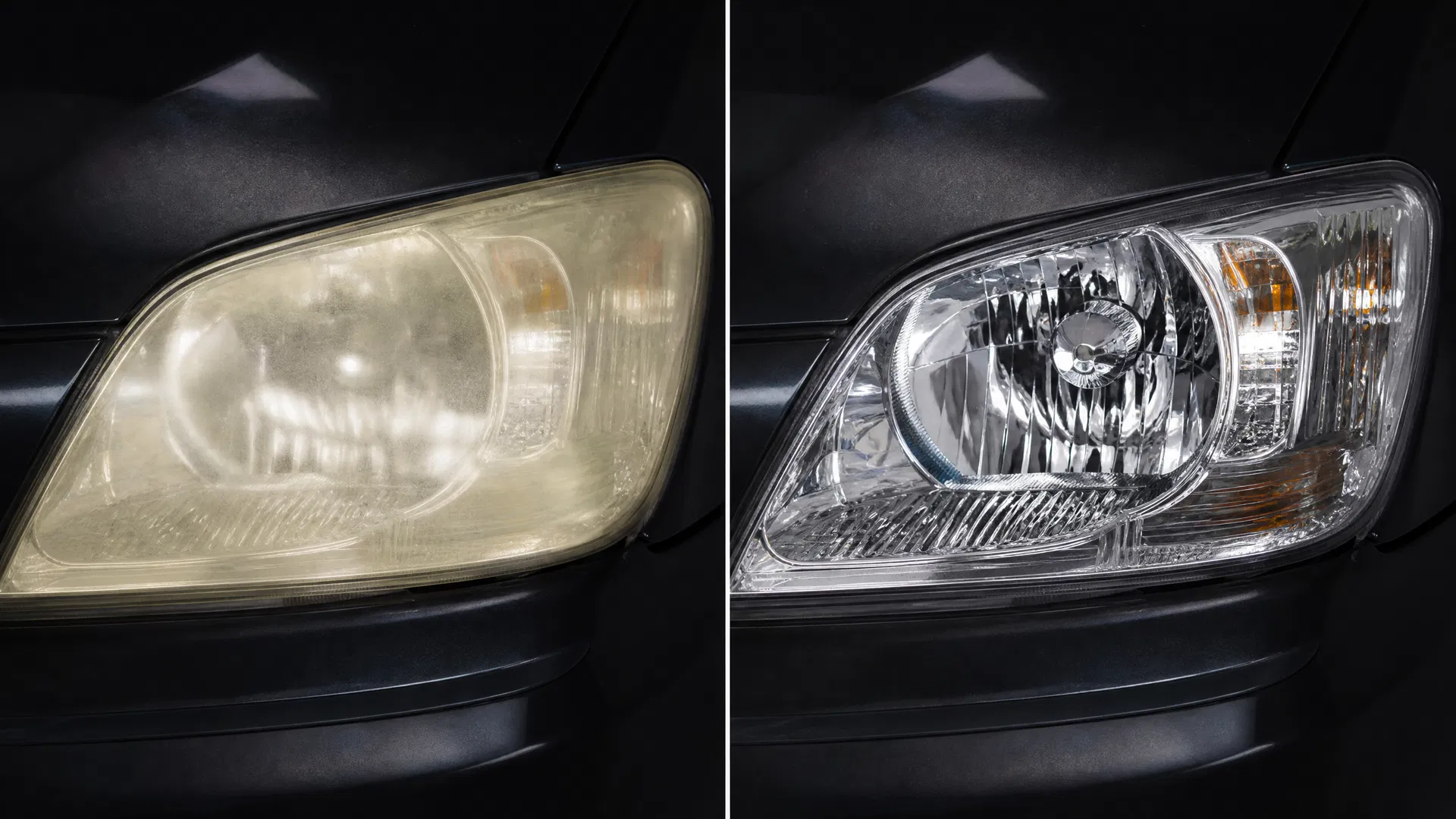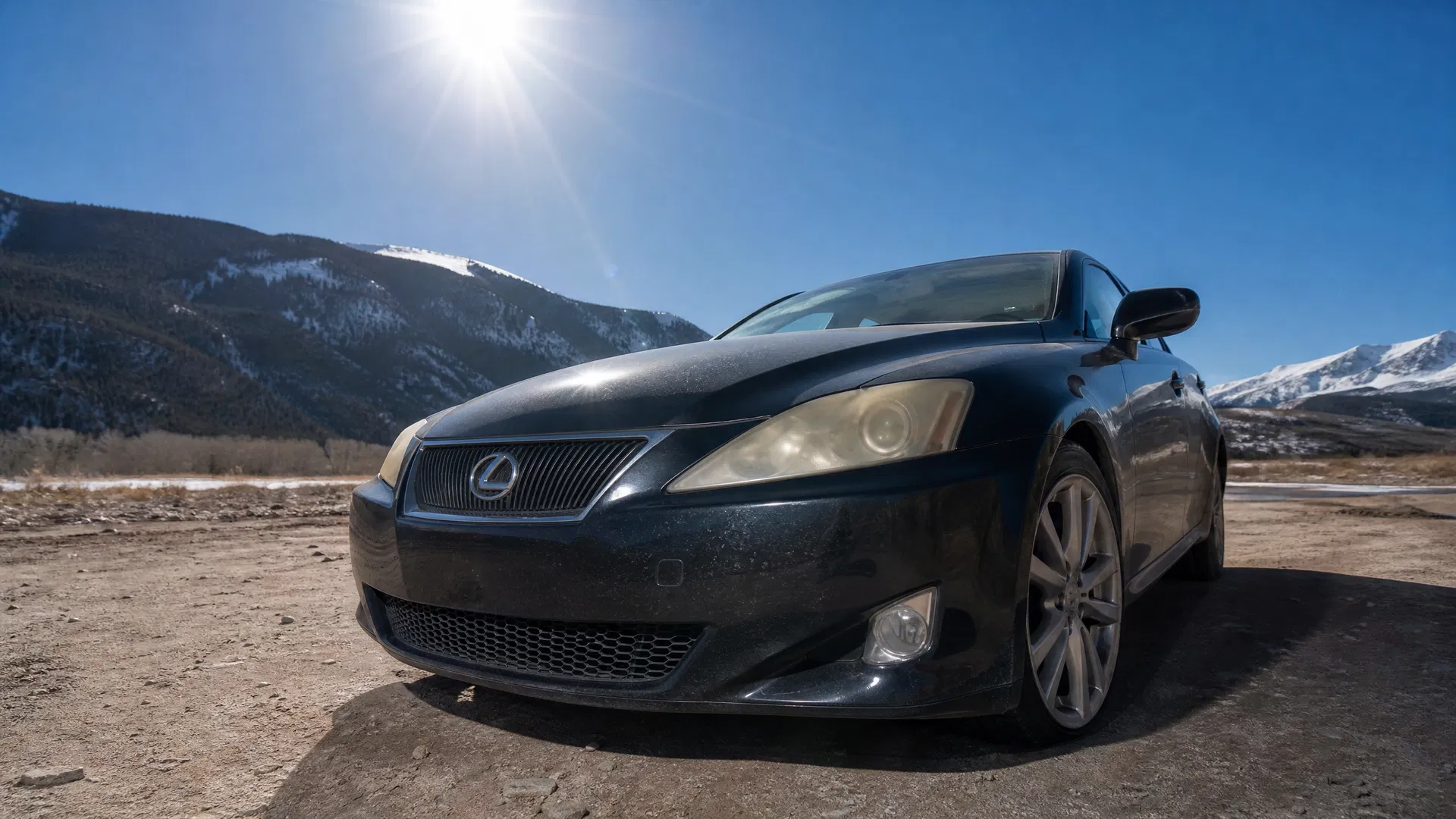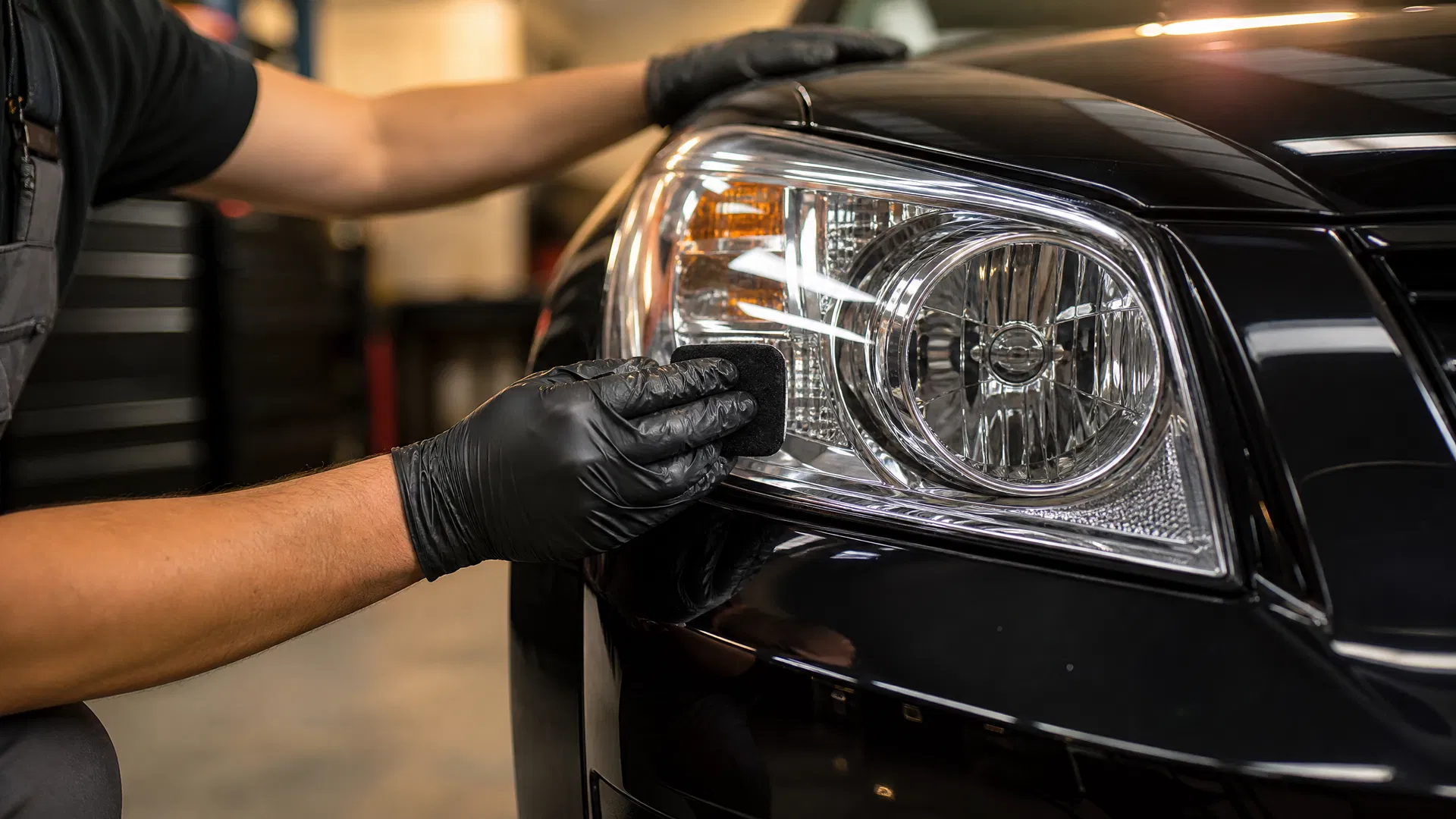
"How long will it last?" is the first question most customers ask — and it's the right question. The honest answer is that headlight restoration longevity varies enormously depending on the method used and whether a UV-protective coating is applied at the end.
Here's a straightforward breakdown.
Without UV Coating: 3–6 Months
Many DIY headlight restoration kits — and some budget professional services — stop at the polishing step. The headlights look great immediately after, but without a UV barrier protecting the freshly exposed polycarbonate, oxidation begins almost immediately.
In Colorado's high-UV environment, uncoated headlights typically start showing haze again within 3–6 months. Within a year, they can look nearly as bad as before the restoration. This is why some people say "headlight restoration doesn't last" — they've experienced the no-coating version.
With Professional UV Coating: 2–3 Years
When a quality UV-protective coating is applied over a properly prepared surface, the results are dramatically different. The coating acts as a sacrificial layer — it absorbs UV radiation instead of the polycarbonate underneath, keeping the lens clear for 2–3 years under normal conditions.
In Colorado, where UV exposure is 20–25% higher than at sea level, we typically see 2–2.5 years of maintained clarity before a touch-up is needed. In lower-UV environments, 3 years is realistic.
What Determines Longevity
Several factors affect how long a restoration holds up:
- Coating quality: Professional-grade ceramic coatings outperform the wax-based coatings included in consumer kits by a significant margin.
- Surface preparation: A coating applied over a poorly sanded surface won't bond properly and will fail early. Proper wet sanding through multiple grits is essential.
- UV exposure: Vehicles parked in garages or shaded areas will see longer-lasting results than those parked outdoors all day.
- Climate: High-altitude, high-UV environments like Denver accelerate coating degradation compared to coastal or northern climates.
- Washing habits: Automatic car washes with harsh brushes can abrade the coating over time. Hand washing or touchless washes are gentler.
The 3-Year Maintenance Cycle
We recommend thinking of headlight restoration like a wax or sealant job on your paint — it's a maintenance item, not a one-time fix. In Colorado, plan on a professional restoration every 2–3 years to keep your headlights clear and your night visibility sharp.
The cost of a restoration every 2–3 years is far less than a single headlight replacement, and the results are equivalent for most vehicles.
How to Tell When It's Time Again
You don't need to wait for significant yellowing to schedule a touch-up. Watch for these early signs that the coating is starting to fail:
- A very slight haze or dullness developing on the lens surface
- The lens no longer looks as glossy as it did after the last restoration
- Water no longer beads off the surface as cleanly
Catching it early means a lighter polish job and a fresh coat — which is faster and less expensive than a full restoration from heavily oxidized lenses.
What We Apply
Every restoration we perform includes a professional-grade UV ceramic coating applied to both lenses. We don't offer a "coating-free" option because we don't want customers calling us in 4 months wondering why their headlights are hazy again.
Ready to get yours done? Text us a photo at (720) 720-4910 and we'll give you a quote — usually within the hour.