Faded black exterior trim can make an otherwise clean vehicle look older than it is. In the Denver Metro area, bright sun, dry air, road residue, and daily temperature swings can be hard on unpainted exterior plastics. The first step is not choosing a product. It is identifying which surface you actually have.
Some unpainted, rigid exterior plastic can be evaluated for trim restoration. Other materials need a different approach or should be left alone. A thoughtful distinction protects the vehicle and produces a more honest recommendation.
Know Which Trim You Are Looking At
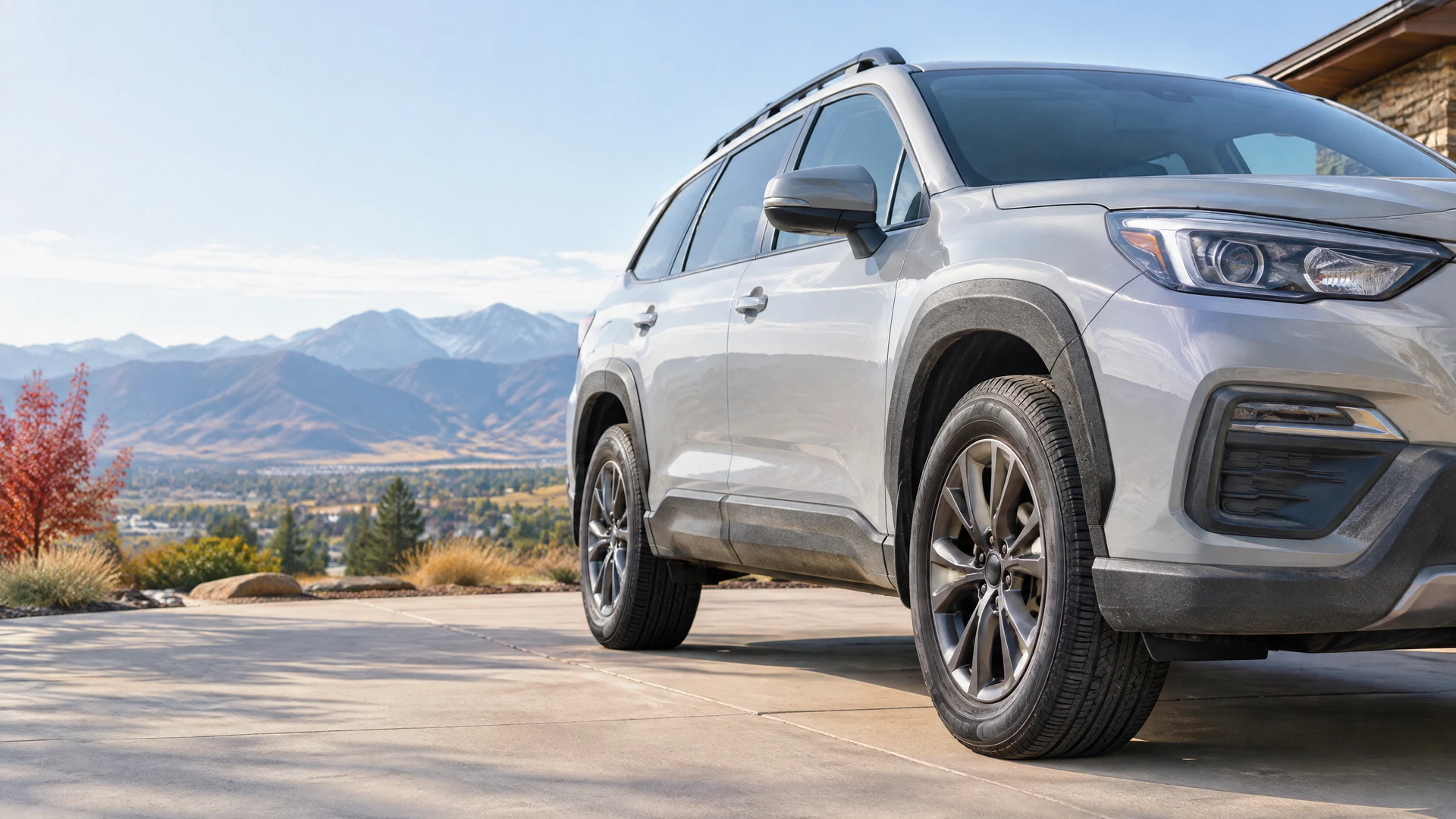
Eligible exterior trim is usually a rigid, unpainted plastic surface that has faded, grayed, or lost an even dark appearance while remaining structurally intact. Common examples can include textured wheel-arch trim, lower bumper valances, stone guards, rocker cladding, unpainted mirror housings, grille inserts, and certain pickup-bed or tailgate trim pieces.
Not every black surface belongs in the same category. Painted trim, glossy clear-coated pieces, flexible rubber weather seals, damaged plastic, and safety-critical parts should not be treated as if they were a simple rigid trim panel. Headlight Boost confirms suitability from photos and at the vehicle before recommending work. Our Trim Restoration page shows the approved and ineligible surface categories we use for that assessment.
How Exterior Trim Fades
Unpainted plastic ages gradually. Sun exposure, road contamination, wash chemicals, and abrasion can leave the surface looking chalky, gray, or uneven. The change can be most noticeable around wheel arches and lower bumper sections, where the vehicle also sees water, dust, and grit from the road.
Fading does not automatically mean the panel is ruined. If the material is intact and the concern is primarily its weathered surface appearance, careful cleaning and a suitable restoration approach may be worth considering. Cracks, missing pieces, deep gouges, loose trim, and impact damage call for a different repair decision.
Start With Gentle, Consistent Care
A simple care routine helps you see the real condition of the trim and reduces avoidable wear. Begin by rinsing away loose grit before wiping. Then use a clean microfiber towel and an automotive-safe wash product. Dry the trim before judging whether it is still faded, since water can temporarily make a weathered surface look darker than it really is.
- Rinse road grit before touching textured plastic.
- Use clean microfiber rather than abrasive pads or stiff brushes.
- Keep harsh household cleaners and strong solvents away from exterior trim unless the vehicle manufacturer specifically approves them.
- Follow the instructions for any trim-care product and test it on an inconspicuous area when appropriate.
- Choose shade or covered parking when it fits your routine, especially after cleaning or applying a maintenance product.
These habits are maintenance, not a promise that fading will never return. Exterior plastics continue to experience weather, sun, washing, and road exposure. A product that works well for one material or driving pattern may not be appropriate for another.
When a Professional Trim Assessment Makes Sense
Consider an assessment when the trim is visibly faded but not cracked, the appearance remains uneven after a proper wash, or you want to improve the vehicle's exterior presentation before a sale or detail. A professional can help separate an eligible rigid-plastic surface from paint, rubber, damaged components, or materials that need another repair path.
Trim restoration at Headlight Boost is a focused exterior service, and it pairs naturally with a headlight appointment when both concerns are on suitable vehicle surfaces. It is not a substitute for body repair, replacement trim, or repair of cracked and missing pieces.
Protect the Whole Front End Thoughtfully
The same rinse-first principle is useful for headlights and trim alike. Colorado road grit can add surface wear when it is rubbed across dry plastic. If your headlight lenses also look rough or cloudy, see our Colorado winter road-grit guide for simple lens-care habits.
To ask whether your vehicle's black trim appears eligible, text clear daytime photos to (720) 720-4910. Include the full panel and a close-up of the faded area. Headlight Boost serves the Denver Metro area and will give you a straightforward answer about whether Trim Restoration is a reasonable fit.